The problem is not context
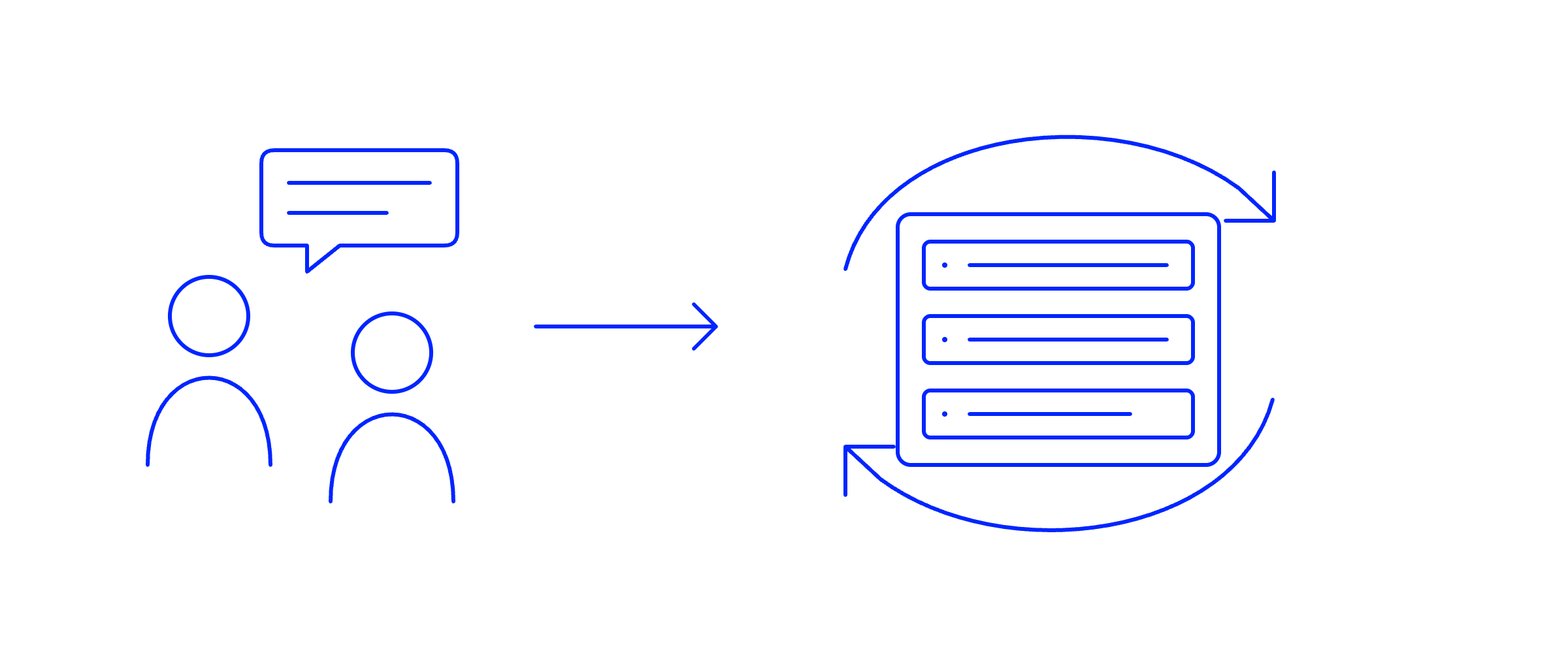
I mentioned earlier that the hardest part of bringing AI into the company was getting all the information together, organizing it, and making sure the model gets what it needs when it needs it. But it turns out that’s only half of the story. And the other half is the most valuable thing we brought back from school:
The problem isn’t just having context. It’s having access to a constantly updated version of it, the one that’s in your people’s heads right now.
If you discussed something in a call and an agent does not know it then your agent is not up to date and is not 100% helpful anymore.
Findev has kept centralized records since day one. Employees, clients, contracts, and documents are all organized in one place and have been carefully maintained over the years. I think this was easier for us than for most companies because we work across multiple offices and locations, and the vast majority of our meetings take place online.
So much of our work comes down to human relationships and communication. A new project discussed with a client on a call. A problem a client asked us to help with. A colleague whose life changed drastically yesterday and who needs support.
The most valuable, up-to-date information starts in people’s heads and only later makes it into our systems, sometimes much later. If AI lacks it then it’s not useful 100% of time or for 100% of situations. An AI model referencing outdated information doesn’t break; it gives confident, wrong answers, building distrust with its users and ultimately making it useless.
Once again, being distributed-first worked in our favor as most of our context is already in text and calls. A company that lives in hallways keeps its freshest context in the air.
So the requirements for context wrote themselves:
- It has to exist in writing, not just in people’s heads or hallway conversations.
- It has to stay fresh: match what our people actually know today, not what they knew.